
Get Started With a Free,
Confidential Consultation
Discuss Your Case With Our
Rhode Island Attorneys
Confidential Consultation
Discuss Your Case With Our
Rhode Island Attorneys



Bilodeau Capalbo, LLC represents Rhode Island property owners, homeowners, businesses, condominium associations, and other policyholders in disputes with insurance companies involving denied claims, underpaid losses, disputed coverage, delayed payments, and alleged improper claims handling.
Insurance policies are intended to provide financial protection when unexpected losses occur. However, disagreements frequently arise concerning whether a particular loss is covered, the extent of the insurer’s obligations, the amount necessary to repair damaged property, and whether an insurance company has properly investigated and evaluated a claim.
Our Rhode Island insurance claims attorneys assist policyholders in interpreting insurance policies, evaluating coverage disputes, documenting property losses, negotiating with insurers, and pursuing litigation when necessary to enforce contractual rights.
Our practice includes residential and commercial property insurance disputes, construction-related insurance claims, condominium insurance coverage, business interruption losses, and claims involving alleged breaches of insurance contracts or statutory bad faith.
At Bilodeau Capalbo, LLC, we recognize that an insurance dispute can involve more than the amount of a denied claim. Property owners may face substantial repair expenses, businesses may experience interruptions to operations, and condominium associations may encounter difficult questions concerning common elements, insurance responsibilities, and the allocation of property damage expenses.
Our attorneys combine insurance coverage analysis, civil litigation experience, and practical knowledge of real estate, construction, and business operations to evaluate the legal and financial issues presented by each dispute.
Insurance coverage disputes frequently arise when an insurance company denies a claim, disputes the cause of a loss, relies upon a policy exclusion, or interprets policy provisions differently from the insured.
The existence and extent of insurance coverage depend upon the language of the applicable policy, the circumstances surrounding the loss, the relevant exclusions and endorsements, and the governing law.
Bilodeau Capalbo, LLC represents policyholders in insurance disputes involving:
Our attorneys examine the insurance contract, applicable endorsements, claims correspondence, inspection reports, photographs, expert evaluations, repair estimates, and other evidence relevant to determining the insurer’s obligations.
An insurance company’s denial of a claim does not necessarily establish that coverage is unavailable. Likewise, the occurrence of property damage does not automatically establish that every resulting expense is covered.
The proper analysis requires examination of the policy as a whole, the cause of the claimed loss, and the contractual requirements applicable to the particular circumstances.
Where an insurer has improperly denied coverage or failed to perform its contractual obligations, our attorneys evaluate available remedies, including claims for breach of contract and other relief authorized by Rhode Island law.
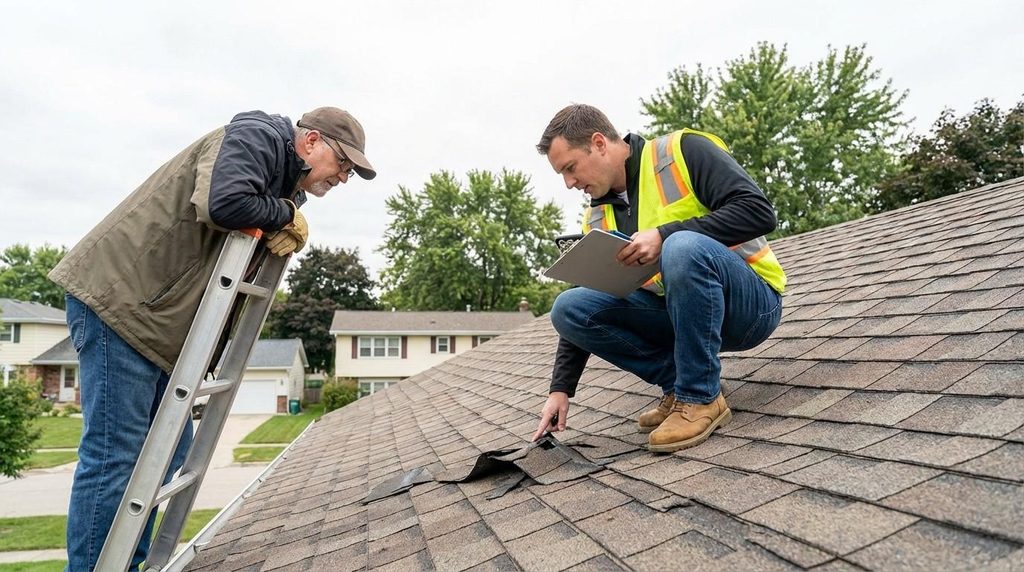
Homeowners purchase property insurance to protect against potentially substantial losses involving their residences and personal property.
When damage occurs, disputes may arise concerning the cause of the loss, the extent of covered damage, whether particular repairs are necessary, and the amount payable under the policy.
Our Rhode Island insurance claims lawyers represent homeowners and other residential property owners in disputes involving damage to buildings, improvements, and insured property.
These matters may involve:
Property insurance disputes often require distinguishing between the immediate cause of damage, underlying property conditions, and exclusions or limitations contained in the policy.
For example, an insurer may contend that damage resulted from deterioration, defective workmanship, long-term moisture exposure, or another excluded condition. The policyholder may dispute that conclusion or contend that a separate covered event caused additional damage.
Resolving these disagreements may require construction records, engineering evaluations, photographs, historical maintenance information, and expert opinions concerning causation and the appropriate scope of repairs.
Our attorneys evaluate the available evidence and applicable policy language to determine whether the insurer’s coverage position is legally supportable.
Learn more about our Rhode Island homeowners insurance claims practice.
Insurance disputes do not always involve a complete denial of coverage.
An insurer may acknowledge that a loss is covered while disputing the amount necessary to repair or replace the damaged property.
These disagreements can become substantial when the insured and insurer have different assessments of the required repairs, the extent of concealed damage, or the cost of restoring property to its pre-loss condition.
Disputed property insurance valuations may involve:
Our attorneys review the insurer’s estimate, the insured’s documentation, applicable policy provisions, and available expert evaluations.
Where appropriate, we work with construction professionals, engineers, appraisers, and other qualified experts to evaluate the extent of the claimed loss and the reasonableness of competing estimates.
Insurance policies may contain appraisal provisions or other procedures for resolving disagreements concerning the amount of a loss. Whether those procedures apply, and the scope of issues they may resolve, depend upon the policy and governing law.
Our objective is to identify the amounts properly recoverable under the insurance contract and pursue the legal remedies available when an insurer fails to satisfy its obligations.
Rhode Island law recognizes that an insurance company’s obligations may extend beyond the payment of benefits expressly required by an insurance policy.
Under R.I. Gen. Laws § 9-1-33, an insured may bring an action against an insurer that wrongfully and in bad faith refuses to pay or settle a claim under an insurance policy or otherwise wrongfully and in bad faith refuses to timely perform its contractual insurance obligations.
The statute authorizes claims for compensatory damages, punitive damages, and reasonable attorney’s fees, subject to the applicable legal requirements.
Not every denial of insurance coverage, disagreement concerning policy interpretation, or delay in payment constitutes bad faith.
Determining whether an insurer has acted in bad faith requires consideration of the insurer’s contractual obligations, the reasonableness of its position, its investigation and evaluation of the claim, and the circumstances surrounding its conduct.
In Bibeault v. Hanover Insurance Co., 417 A.2d 313 (R.I. 1980), the Rhode Island Supreme Court recognized that an insurer owes its policyholders a duty of good faith and that a violation of this duty may support an independent tort claim.
The Court also recognized that a legitimate dispute concerning insurance coverage does not automatically constitute bad faith.
In Skaling v. Aetna Insurance Co., 799 A.2d 997 (R.I. 2002), the Rhode Island Supreme Court further addressed the standards applicable to insurance bad faith, including circumstances involving an insurer’s investigation and evaluation of a disputed claim.
These decisions are important because a bad faith analysis may involve not only the insurer’s ultimate coverage determination but also the manner in which the insurer investigated and evaluated the claim.
Bilodeau Capalbo, LLC evaluates potential insurance bad faith claims involving allegations such as:
The availability of compensatory damages, punitive damages, and attorney’s fees depends upon the statutory requirements, applicable judicial decisions, and evidence established in the particular case.
Our attorneys evaluate whether the facts support a contractual insurance claim, a separate claim for bad faith, or other legally available remedies.
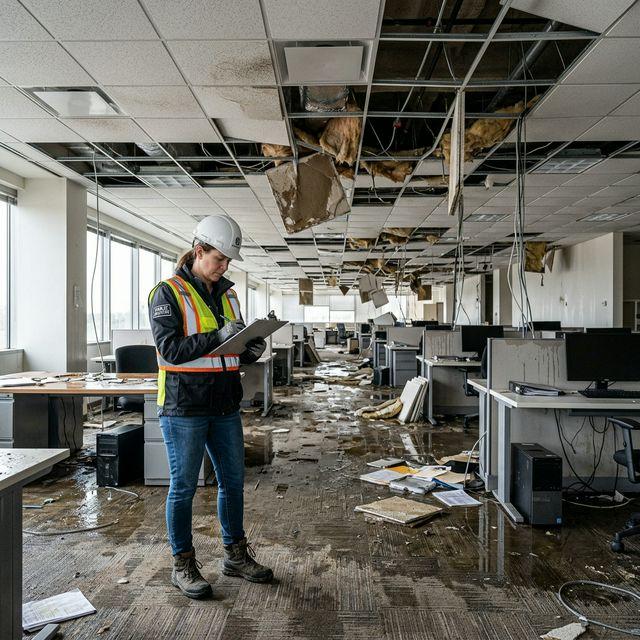
Businesses frequently depend upon insurance coverage to protect buildings, equipment, inventory, improvements, and other valuable assets.
When a covered event damages commercial property or interrupts business operations, the resulting financial consequences may extend beyond the physical cost of repairs.
Commercial insurance disputes can involve complicated questions concerning the scope of coverage, valuation of property, business income, extra expenses, and contractual limitations.
Bilodeau Capalbo, LLC represents businesses, commercial property owners, investors, and other policyholders in insurance disputes involving:
Commercial insurance policies may contain specialized provisions governing covered property, business income, restoration periods, deductibles, valuation methods, and the documentation required to establish a loss.
Business interruption disputes may require review of financial statements, tax records, sales histories, operating expenses, historical earnings, and other information relevant to calculating the claimed economic loss.
Our attorneys evaluate the insurance policy and available business records to identify the contractual obligations of the insurer and the financial evidence necessary to support or defend a disputed claim.
Our experience in business law and commercial litigation provides additional perspective when evaluating insurance disputes affecting ongoing business operations.
Property damage disputes may also involve questions concerning ownership rights, contractual obligations, and responsibility for repairs. Learn more about our Rhode Island Real Estate Litigation Practice.
Condominium insurance claims can present particularly complicated legal and contractual questions.
Unlike a typical single-family residence, condominium property may involve separate insurance policies covering association property, common elements, individual units, and personal property.
The allocation of responsibility for a loss may depend upon the condominium declaration, applicable statutory provisions, the association’s insurance policies, individual unit owners’ policies, and the nature and location of the damaged property.
Bilodeau Capalbo, LLC represents condominium associations and individual unit owners in appropriate matters involving insurance coverage and property damage disputes.
These matters may include:
Condominium insurance disputes may require determining whether the damaged property is part of an individual unit, a common element, or a limited common element.
Additional issues may involve whether an association is responsible for maintaining or repairing the damaged component and whether the applicable insurance policy covers the resulting loss.
Our attorneys examine the governing condominium documents, insurance contracts, relevant statutory provisions, and factual circumstances to determine the respective rights and obligations of the parties.
Because our firm maintains an extensive Rhode Island condominium law practice, we can evaluate insurance coverage issues together with the underlying condominium governance and property rights questions.
Insurance disputes involving condominium buildings may require examination of the association’s governing documents, insurance obligations, and responsibility for common elements. Learn more about our Rhode Island Condominium Law Practice.
Construction defects and improper workmanship can result in substantial property damage, repair expenses, and disputes concerning insurance coverage.
These matters may involve allegations that defective construction caused water intrusion, structural damage, damage to adjoining property, or other losses.
Insurance disputes may arise concerning whether the claimed damage constitutes covered property damage, whether exclusions apply, and whether the insurer has obligations under a first-party property policy or a liability policy.
Our attorneys represent clients in disputes involving:
Construction-related insurance claims may require distinguishing between the cost of correcting defective work and damage to other property allegedly resulting from that work.
The availability of insurance coverage depends upon the policy language, applicable exclusions, endorsements, and governing legal principles.
Our attorneys evaluate the relationship between the underlying construction dispute and the insurance coverage issues, including the contractual obligations of owners, contractors, subcontractors, and insurers.
Our firm’s construction industry experience provides practical insight into workmanship, building systems, construction documentation, and the technical issues frequently involved in these claims.
Insurance coverage disputes frequently arise from defective construction, water intrusion, roofing failures, and structural damage. Learn more about our Rhode Island Construction Law and Construction Litigation Practice.
Insurance disputes may also arise when a policyholder is sued by another party and seeks a defense or indemnification under a liability insurance policy.
Liability policies can contain provisions requiring an insurer to defend certain claims, subject to the terms and conditions of the policy.
Disagreements may arise concerning whether the allegations fall within the policy’s coverage, whether exclusions apply, or whether an insurer must defend or indemnify the insured.
These disputes may involve:
The duty to defend and the duty to indemnify are distinct contractual obligations, and the applicable legal analysis may differ depending upon the policy and the underlying allegations.
Our attorneys review the insurance contract, the underlying claims, and relevant correspondence to evaluate the insurer’s obligations and the policyholder’s available rights.
Insurance disputes sometimes arise in connection with real estate ownership, property transfers, commercial transactions, and disputes between parties having different interests in the same property.
For example, disagreements may arise concerning who is entitled to insurance proceeds, whether a particular party qualifies as an insured, or how property damage affects contractual obligations between buyers, sellers, landlords, tenants, lenders, and other interested parties.
These matters may involve:
Our attorneys evaluate the applicable insurance policies together with deeds, purchase and sale agreements, leases, construction contracts, and other governing documents.
Where the dispute also involves ownership, contractual obligations, or property rights, our real estate litigation experience allows us to address those issues as part of the overall legal analysis.
Learn more about our Rhode Island Real Estate Litigation Practice.
Successful resolution of an insurance coverage dispute frequently depends upon the quality and completeness of the available documentation.
When a loss occurs, the insured may be required to provide notice, preserve relevant information, cooperate with reasonable requests, submit supporting documentation, or satisfy other contractual conditions.
The particular requirements depend upon the applicable insurance policy and governing law.
Evidence relevant to a disputed insurance claim may include:
Our attorneys evaluate the insurer’s stated reasons for denying or limiting coverage, the contractual requirements applicable to the claim, and the available evidence supporting the policyholder’s position.
Where appropriate, formal discovery may be necessary to obtain additional information concerning the insurer’s coverage position, claims investigation, communications, or other matters relevant to the litigation.
Not every insurance dispute requires a lawsuit.
Some disagreements can be resolved through additional documentation, reconsideration of the insurer’s coverage position, negotiation, appraisal where applicable, or mediation.
However, litigation may be necessary when an insurer denies coverage, refuses to pay benefits required by the policy, or disputes the insured’s entitlement to relief.
Bilodeau Capalbo, LLC represents clients in insurance-related negotiations and litigation involving:
Insurance litigation may involve interpretation of policy language, factual disputes concerning the cause of a loss, competing expert testimony, and disagreements over the calculation of damages.
Our attorneys examine the applicable legal standards, contractual provisions, available evidence, potential remedies, and costs associated with litigation.
Where litigation is appropriate, our representation may include investigation, preparation of pleadings, discovery, motion practice, expert testimony, settlement negotiations, hearings, and trial.
We recognize that the appropriate strategy depends upon the nature of the claim, the amount in dispute, the available evidence, and the client’s financial and practical objectives.
Insurance disputes frequently involve complex questions concerning policy interpretation, contractual obligations, exclusions, endorsements, the cause and extent of property damage, and the insurer’s handling of a claim. Effective representation requires a thorough understanding of insurance law, litigation procedures, the evidence necessary to establish coverage, and the financial consequences of an insurer’s refusal to pay benefits.
At Bilodeau Capalbo, LLC, our attorneys combine substantial civil litigation experience with practical knowledge of real estate, construction, commercial transactions, condominium law, and property-related disputes. This multidisciplinary experience is particularly valuable in insurance matters involving damaged buildings, construction defects, water intrusion, structural failures, commercial property losses, and disputes concerning responsibility for repairs.
Our managing partner, Andrew R. Bilodeau, Esq., MBA, brings extensive experience in litigation, business operations, real estate, and the construction industry. In addition to his legal experience, Attorney Bilodeau holds a Master of Business Administration from Northeastern University and has decades of entrepreneurial and business management experience. His background as a registered contractor and his experience in real estate provide practical insight into construction methods, building conditions, repair costs, property valuation, and the financial consequences of property damage.
This combination of legal and practical experience enables our firm to evaluate insurance disputes from multiple perspectives. When an insurer denies coverage, disputes the cause of a loss, challenges the scope of necessary repairs, or offers compensation that does not adequately account for the claimed damages, our attorneys examine the applicable insurance policy, the factual circumstances of the loss, the available technical evidence, and the insurer’s contractual and statutory obligations.
Our attorneys have experience handling contested litigation involving substantial financial interests, complicated contractual relationships, extensive documentary evidence, expert testimony, and disputed damages. Attorney Bilodeau has served as lead trial counsel in significant Rhode Island Superior Court business litigation, including the VM Parkway and Proclamation Ales matters, which involved complex operating agreements, business ownership interests, contractual obligations, and financial disputes.
Although those proceedings were business litigation matters rather than insurance coverage cases, the litigation experience involved in evaluating complex contracts, developing evidentiary records, examining financial information, presenting disputed factual issues, and advocating for clients at trial is relevant to the handling of contested insurance claims.
We recognize that insurance disputes can have consequences extending well beyond the immediate cost of repairing damaged property. A denied or underpaid insurance claim may affect a property owner’s financial security, a business’s ability to continue operating, a condominium association’s responsibility for maintaining common elements, or a property owner’s ability to restore a building to its pre-loss condition.
Our attorneys evaluate not only the insurer’s coverage position but also the potential damages, evidentiary requirements, litigation expenses, available remedies, and practical considerations associated with pursuing a claim.
When appropriate, we work with construction professionals, engineers, property valuation experts, accountants, and other qualified specialists to evaluate the cause and extent of a loss, assess the reasonableness of repair estimates, identify disputed damages, and develop the evidence necessary to support a client’s position.
We also recognize that not every insurance dispute requires litigation. Depending upon the circumstances, claims may be resolved through additional documentation, negotiations with the insurer, mediation, appraisal procedures where applicable, or other available dispute resolution methods.
However, when an insurer refuses to honor its contractual obligations or a dispute cannot be resolved through negotiation, our attorneys are prepared to pursue appropriate judicial remedies, including claims for breach of contract and, where supported by the evidence and applicable law, statutory insurance bad faith.
At Bilodeau Capalbo, LLC, our objective is to provide careful legal analysis, candid assessments, thorough preparation, and effective representation directed toward protecting our clients’ contractual rights and financial interests.
Our firm represents individuals, businesses, property owners, and condominium associations in insurance-related disputes throughout Rhode Island, with representation in other jurisdictions where appropriate.
Whether the dispute involves a denied property insurance claim, disagreement over the scope of covered damage, a contested insurance policy exclusion, an allegedly inadequate settlement offer, or an insurer’s handling of a substantial commercial loss, Bilodeau Capalbo, LLC provides legal representation tailored to the particular circumstances of the claim.